
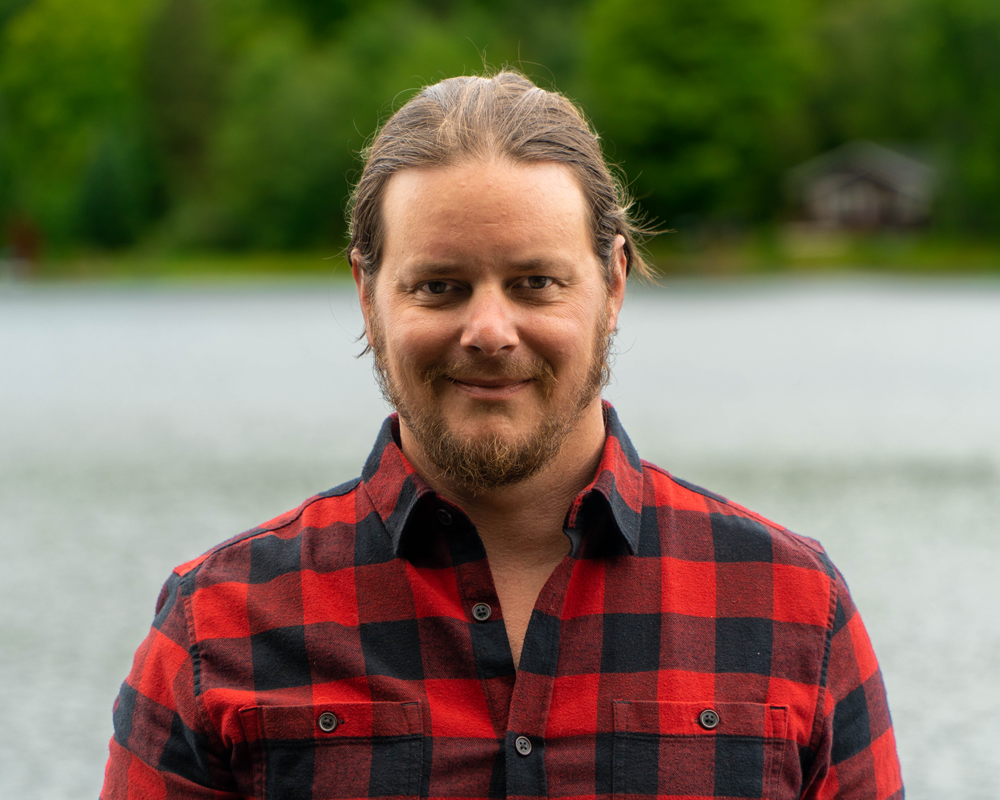
This post is written by Jason Dykstra, a chartered mediator, educator, and published author. He helps individuals and groups get comfortable being uncomfortable, working with them through conflict, leadership and grief.
On June 3, Cinnie Noble, headline speaker for ADRIO’s 41st conference, stood in front of a packed room and admitted that, after all her years of experience, she still walks into some mediation sessions feeling like she has no idea what she’s doing.
The room laughed. Then it went quiet. Every single person there knew exactly what she meant.
That single sentence set the tone. Cinnie, founder of CINERGY Coaching, wasn’t presenting a victory lap or a how-to. It was an opportunity for us to hold up the mirror that reflects three important areas of interpersonal mediation practices for us to explore – pre-mediation, mediation training, and research. Underneath Cinnie’s session ran a thread that conflict professionals rarely talk about: what we do behind closed doors is a mystery that drifts from our original training and is often focused on settlement rather than ensuring a better experience for people in conflict.
So, we feel our way forward in the dark and hope it lands. Until this session.
Pre-mediation:
Cinnie began by sharing her pre-mediation process, and in doing so, she encouraged participants to consider their own practices and what they achieve – or don’t. For instance, Cinnie spends significant time pre-mediation. She walked us through part of her approach in which she initially meets with both parties on a short video call to allay concerns by explaining the process, the mediation agreement, pre-mediation meetings and their respective roles. This first step together also engages parties with a “partnering approach” – the sense that “we are all working together here.” Subsequently, in 2-3 separate sessions with each person, Cinnie explores each person’s specific concerns to prepare them before meeting jointly again.
Cinnie shared questions that help facilitate conversations beyond the dispute – questions aimed to put people in touch with their humanness so they can engage with conflict from a place of increased awareness and perspective. This is why preparation isn’t a nicety to offer before the work. It is the work.
The audience was asked to earmark the questions that resonated most for them. As participants riffed on their favourites, three questions surfaced for many:
What do you not know or understand about the other person, and/or where they are coming from, regarding this dispute?
What does the other person not know or understand about you, and/or where you are coming from, regarding this dispute?
What is the hurt, the pain, the insult you experienced in this dispute that feels most unacknowledged by the other person?
Other questions invited parties to share words that describe what they are feeling. According to some neuroscience studies, conflict isn’t merely stressful: its pain registers in the same part of the brain as physical pain. By naming two or three emotions we are experiencing our brains relax, helping us shift towards the “reasoning” side of the brain to enable clearer decision-making.
The types of questions discussed highlighted our need to journey alongside parties so they can feel more prepared, stay grounded, and experience less anxiety. As I took in the conversation happening around me, I realized something important: we are hungry to compare notes with one another and share the realities we aren’t taught. Furthermore, if the real work begins at first contact, our training barely touches it. This led to the next uncomfortable truth Cinnie shared.
Training:
In most professions, you cannot call yourself “the thing” the moment you meet the educational criteria. When Cinnie was becoming a lawyer, she first had to article. When becoming a social worker, she had mandatory supervised hours. When she became a certified coach, she had to undergo a mentoring process. As new mediator, though? We have forty hours of coursework and receive the keys to the car – only to get on the highway, face challenges, and find no one sitting in the passenger seat. This clearly identified an inherent structural problem.
This is where Cinnie’s admission further hit many of us, and she offered a list of what she wished her initial training had included: cultural awareness, the psychology of complex emotions like guilt and shame, neurodiversity, psychological safety, and power imbalances, to name a few. The next group question then asked us: what additional training do you wish you’d initially had? And now?
The room ran with it, saying we need to rethink rigid, prescriptive training. We need to increase our capacity in cultural awareness, trauma-informed practice, mediating in a digital-first world, and even how we market our services. The loudest theme was also the simplest: we want to further professionalise what we do, watch each other work and break down the silos to learn more and differently.
Research:
Lastly, the research segment of Cinnie’s talk named another uncomfortable gap. Most studies in our field measure settlement rates, but almost none measure whether anything changed between the parties or within them. Essentially, we are precise about counting agreements and clumsy about measuring repair. Cinnie asked us, “What might we ask parties a few weeks after the mediation?” The ideas came quickly: tracking how the body felt walking in versus walking out, comparing how people felt before, during, and after, and, most simply, asking whether they understand one another and themselves any better afterwards and how satisfied they are with their outcome and conflict experience. Moving forward, the room agreed: we must measure more than settlement numbers.
I left the conference with one clear thought. Our field’s success depends on our evolution: challenging our assumptions, building in observation and feedback opportunities, developing an abundance mindset to share our best practices with others, and getting honest about what we still don’t know. Cinnie modelled all of this in her first breath. The admission of not knowing wasn’t weakness; it was leadership. It was permission for the rest of us to stop pretending.
A phrase I keep coming back to is one I’ve used with my clients countless times over the years: get comfortable being uncomfortable.
It turns out it was meant for us, too.
—
Reviewed and Edited by the ADRIO Newsletter Blog Committee in collaboration with Staff:
Babara Benoliel (Chair)
Ben Drory
Kim Parish
Phil Osagie
Tommy Lam (Staff)
The opinions expressed in the articles featured in this blog are that of the respective writers and do not represent the views of The ADR Institute of Ontario.